
4 hidden features of Nialli Visual Planner you might be missing
Discover four overlooked features in Nialli™ Visual Planner, from crew tracking and Microsoft® Power BI reporting to constraint management and...
3 min read
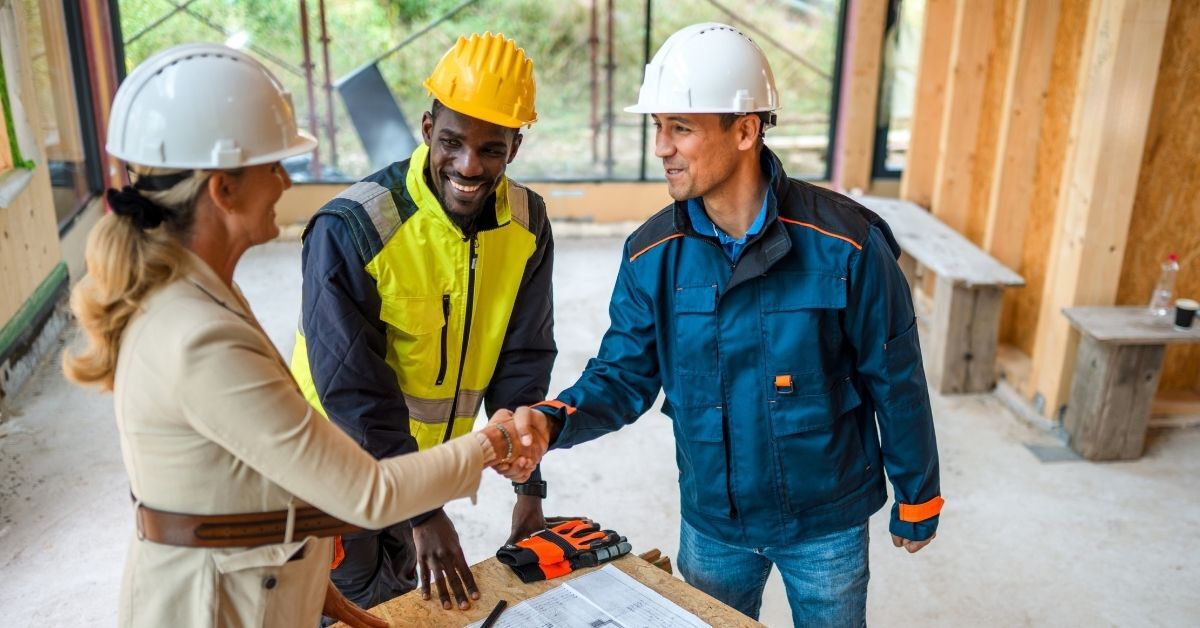
Lean construction is often associated with process optimization, improved efficiency and waste reduction. But as Lisa Gibson from Colliers Project Leaders shared in our recent webinar, the true power of Lean lies in its people. This episode dove deep into the human side of Lean, exploring how respect, empathy and intentional culture building can transform project outcomes.
Respect isn’t just a vague value; it’s a daily practice. In Lean, it means honoring the diverse backgrounds, experiences and perspectives of everyone involved in a project. It’s about creating space for voices to be heard and ideas to be valued. Gibson emphasized the importance of calibrating what respect means for each team, rather than assuming a shared understanding.
“Respect is recognizing the value others bring in their differences and using that as a positive.” — Lisa Gibson
Respect also means assuming good intentions. Gibson reminded us that most people don’t show up to work intending to cause problems. When we approach others with empathy and curiosity, we create space for collaboration and trust.
Gibson shared several actionable strategies for fostering a culture of respect:
Human connection: Taking time to connect personally, even if it’s a quick conversation over coffee, can dissolve adversarial dynamics and build trust. Gibson shared how finding common ground, like a shared interest in hockey or movies, can shift relationships.
Kanban boards: Visualizing work helps teams understand each other’s responsibilities and workloads, reducing assumptions and friction. It also promotes transparency and shared ownership.
Plus/delta retrospectives: Gathering quick, inclusive reflections on what worked and what could be changed are useful not only after projects are complete but also after daily tasks or pursuits. These retrospectives encourage continuous learning and improvement.
Small gestures: Showing kindness creates a lasting impression. A story about a superintendent being gifted his favorite beverage illustrated how thoughtful acts can shift relationships. This simple gesture helped soften a tense dynamic and strengthened collaboration.
Culture starts at the top. Gibson stressed that leadership must model the values they promote. Without visible commitment from leaders, teams won’t feel safe to take risks, share ideas or challenge norms. She emphasized that culture statements on the wall mean little if they’re not lived out in daily interactions.
“If leadership isn’t living it, no one else will.” — Lisa Gibson
Leadership also plays a key role in creating psychological safety. When leaders show vulnerability, admit mistakes and invite feedback, they set the tone for open communication and mutual respect.
In construction, differing opinions are inevitable. Gibson reframed conflict as a sign of engagement, not dysfunction. The key is to park egos and invite the right voices into the conversation, including interns and trades. She emphasized that fresh perspectives, especially from new team members, can reveal blind spots and spark innovation.
“Everyone in the room is smarter than you about something.” — Lisa Gibson
Gibson also encouraged teams to shift from a right-or-wrong mindset to one of shared problem-solving. When conflict is approached with curiosity and respect, it becomes a catalyst for better outcomes.
The industry is evolving. Topics like mental health, psychological safety and inclusive leadership are gaining traction. Gibson highlighted initiatives like the Calgary Construction Association’s mental wellness programs and the growing interest in collaborative contracts (integrated project delivery).
She also mentioned upstander training, with a free resource that equips individuals to advocate for others and intervene in situations of bullying or disrespect. These tools are essential for creating safe, inclusive jobsites.
“Can you imagine going somewhere every day where you don’t feel safe or protected?” — Lisa Gibson
Young professionals are looking beyond job descriptions. They want to know about company culture, social responsibility and work flexibility. Gibson shared how Colliers’ DEI (diversity, equity and inclusion) committees, volunteer programs and hybrid work models are attracting top talent.
Students and new hires are asking about values, not just tasks. They want to work for organizations that align with their beliefs and offer opportunities for growth and impact.
The advancements in technology solutions for construction teams can enhance collaboration, but only when built on a foundation of trust and respect. Gibson cautioned against jumping to tech before establishing human connection. Technology should support, not substitute, the human elements of Lean.
She also emphasized the importance of fallback skills. If tech fails, teams should be able to pick up pens and sticky notes and keep planning. The fundamentals of Lean — communication, visibility and respect — must be in place first.
“You can’t escape the good old-fashioned people skills.” — Lisa Gibson
Respect for people isn’t a checkbox — it’s a mindset. Gibson’s insights remind us that when we invest in relationships, we unlock the full potential of Lean. It’s a journey of continuous learning, reflection and growth.
“Be kind to yourself and kind to others. Of course, correct when needed. That’s Lean.” — Lisa Gibson
Looking for planning software that helps drive human connection? Check out Nialli Visual Planner.

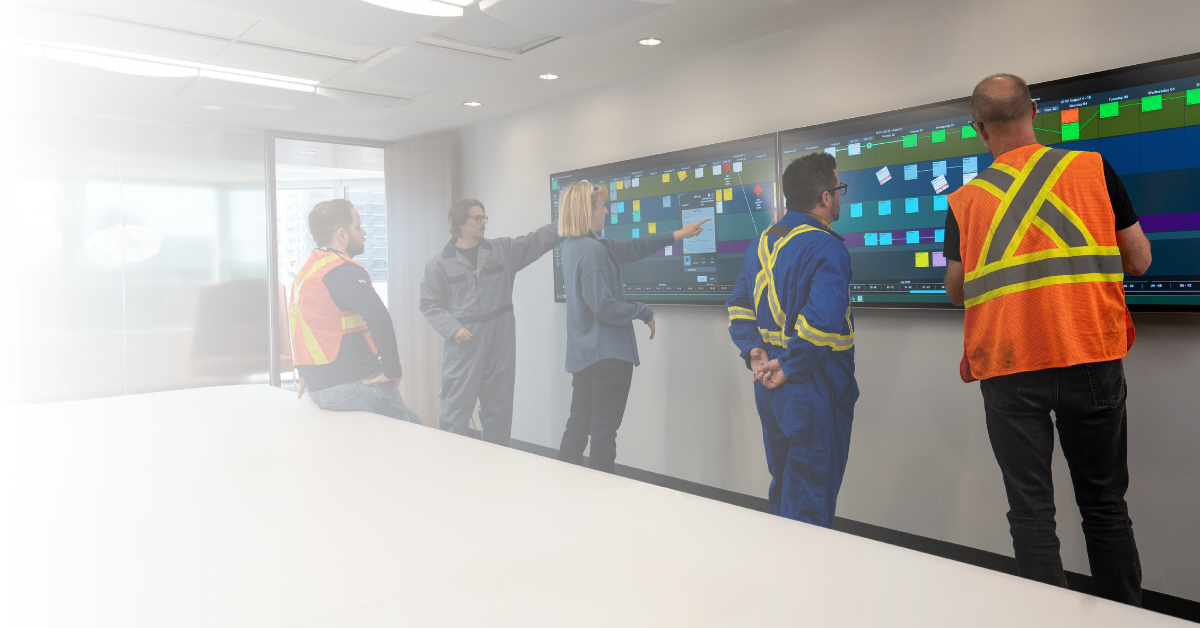
Discover four overlooked features in Nialli™ Visual Planner, from crew tracking and Microsoft® Power BI reporting to constraint management and...

Technology in construction is only as effective as the people using it. This article builds off of our recent webinar with Erin Khan, during...
%20(5).jpg)
Lean construction is all about identifying and eliminating waste in processes. Learn the acronym DOWNTIME to remember the 8 types of waste in...
1 min read
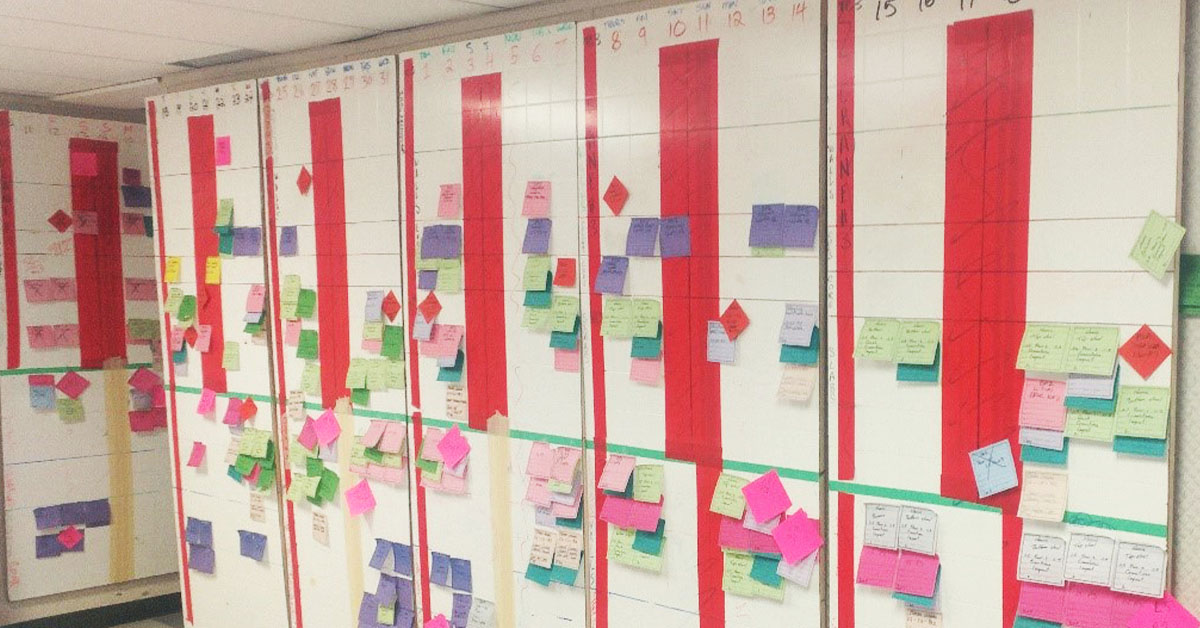
Despite the rise of sophisticated digital tools, sticky notes still remain a staple in construction planning. This is largely due to sticky...
1 min read
Think Lean construction is only for megaprojects? Think again. Small and midsize contractors can actually see faster results by implementing...

1 min read
In the days before smartphones, location trackers and helicopter parenting, children experienced a freedom that allowed them to explore and create...