
 Laura Avery
Global perspectives on Lean construction planning
Collaborative, Lean‑based construction planning practices — such as the Last Planner System®, collaborative planning, Lean planning, pull...

|
While the construction industry is moving digital, many companies are experiencing challenges getting field teams and trades on board with new technology. However, trades have valid concerns around application complexity. Trades are often stuck with the administrative burden of learning and using new tools without receiving any direct benefits back for their contributions. By tackling these concerns head-on and adopting solutions that solve the real day-to-day challenges faced by trades, companies can convert skeptical trades into technology advocates. |
In past decades, construction lagged other industries when it came to the adoption of technology. However, this trend now appears to be changing. According to KPMG Canada’s latest findings, nine in 10 Canadian construction leaders agree the industry must move quickly to embrace new and advanced technologies. And 81% of companies are reporting that their recent investments in technology are making a difference.
But despite the benefits, digital transformation isn’t happening in every corner of construction at the same pace. One area of construction experiencing holdups in technology adoption is among trades and superintendents in the field.
Some would argue the lack of technology adoption has been because older trades are Luddites and want to die on the this is the way we’ve always done it hill, resisting every innovation that comes along as if it’s kryptonite.
But this is a shortsighted view. Because if you ask anyone in the trades about which impact wrench to buy, why they prefer one brand of truck over another or virtually any question on specs related to the tools and hardware they use every day, you’ll get a comprehensive breakdown worthy of a TED Talks master class.
Trades are clearly capable and interested in keeping up with the latest advancements in tools and technologies — when it has a direct impact on their field of work.
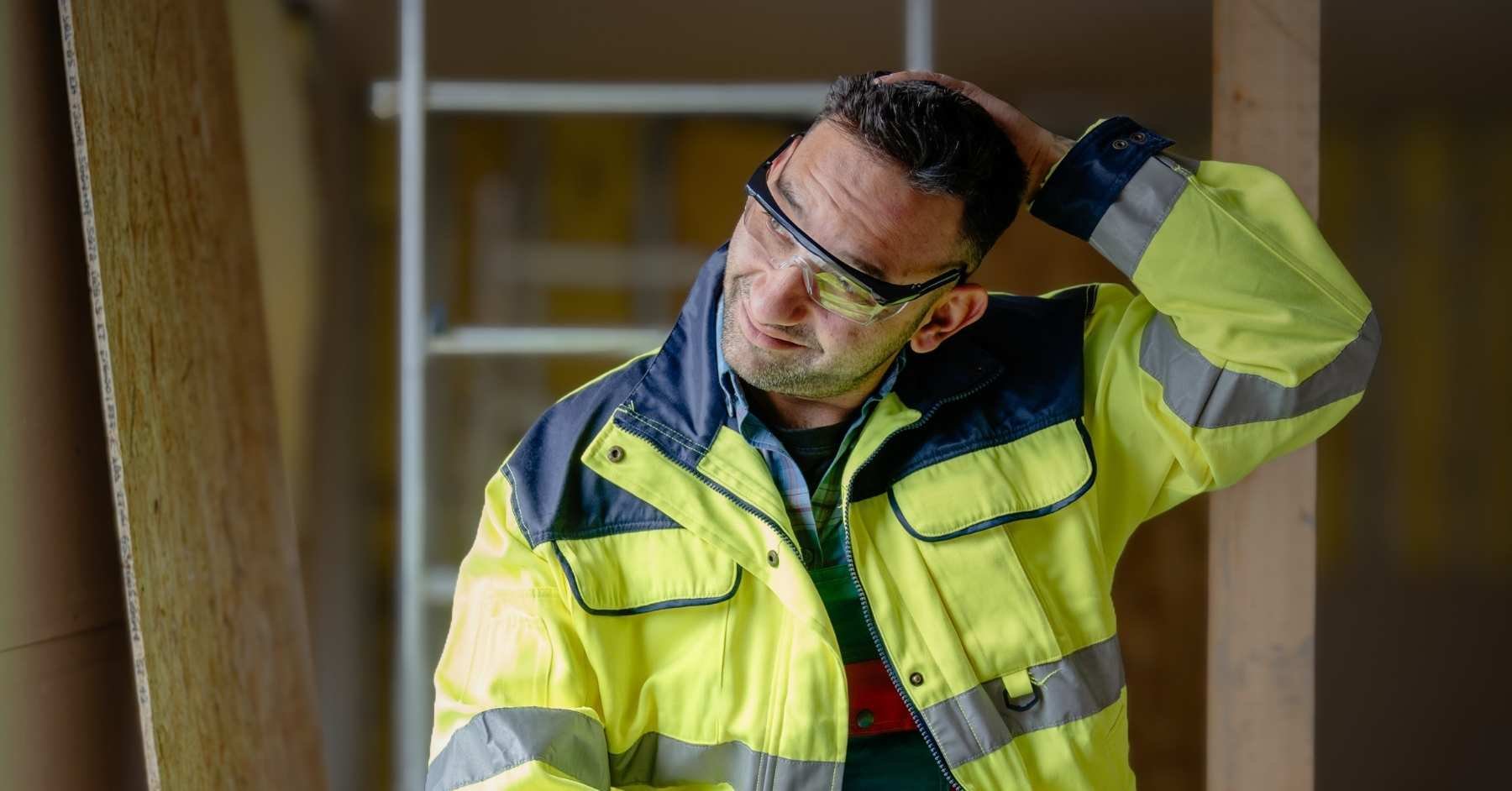
Picture how the average construction application is designed and what the experience in using it has looked like from the perspective of your average tradesperson:
Desktop-heavy applications that are built for architects, estimators and engineers working in front of a computer all day rather than out on-site.
Complex logic ties, Gantt charts and dashboards that share tons of details but make it hard to find the immediate information trades need to know.
Technology rollouts that have promised the world but have put all the burden on the crews in the field to input information, without giving them back any direct benefits.
Limited efforts made into training trades on new processes or soliciting their feedback on which technology investments would actually help them do their jobs better.
Perhaps it’s understandable why so many trades have resisted digital transformation efforts that have amounted to nothing more than a distraction against performing the job they’re being paid to do.
So, where should you start if you want to keep your skilled trades satisfied while getting them more on board with digital transformation?
The easiest place to start is to find technology that works with teams in the field instead of against them. Consider the following:
Interest in exploring new technology will be low if benefits are hard to define or it doesn’t directly influence the work they’re doing on the jobsite. To get immediate buy-in from trades, look for solutions that directly address the problems they’re familiar with and experiencing every day on-site.
Trades have a very different use for technology than office workers do. Simply put, they’re not carrying a laptop around with them on-site all day! Technology use either needs to be oriented around when everyone is together as a team (such as during daily huddles) or offered in a simple mobile experience accessible by a phone or tablet.
When you’re paid hourly for completing a task, you typically have no interest in spending a minute longer than you need to on any activity that prevents you from getting back to work. Trades need technology that quickly shows them where they need to be and what needs to get done, rather than making them go digging for details. Ideally, information should flow in two directions. Trades should also have a mechanism for quickly relaying information to management on what’s been completed or any anomalies preventing them from proceeding with work.
The biggest benefit of going digital is being able to capture more accurate information about how a construction project is progressing (a big limitation of paper processes). However, this data capture must happen in a way that doesn’t burden those on the jobsite with unnecessary administrative work. Any data inputs required from trades should be straightforward, minimal and directly applicable to their daily work. Where possible, look for technology that facilitates this data capture automatically.

Choosing the right technology is only part of what it takes for successful trade adoption. Many construction technology deployments fall flat in the field because limited budget and consideration is given toward onboarding and implementation.
The technology itself is only one piece of the puzzle. Adoption success hinges on understanding where existing processes and people fit into the equation. Showing up to introduce a new tool without fully understanding how the project is currently operating is a recipe for things to go sideways. So is not taking into consideration the people involved in the project and who will help or hinder the adoption. For instance, do you have a tech-savvy individual who can help champion the technology and lead by example? Can you quickly identify who’s going to be a naysayer so you can invest additional time into training them and tackling their concerns? For this reason, it’s highly recommended to get assistance when it comes to tech adoption.
Consider leveraging knowledge from industry peers who have had success rolling out the technology you’re introducing, use training and resources provided by the vendor you’re choosing to work with, or consider hiring a coach or consultant who can help you through the journey.
Trades have many good reasons for being hesitant about technology adoption. But getting their buy-in is critical for the success of projects and the industry as a whole. Taking the time to understand their concerns, finding a solution that fits their needs and investing more resources into implementation will strengthen your odds of successfully getting field teams to embrace new technology.
Looking for software that trades won’t hate using? Check out Nialli™ Visual Planner.


Collaborative, Lean‑based construction planning practices — such as the Last Planner System®, collaborative planning, Lean planning, pull...
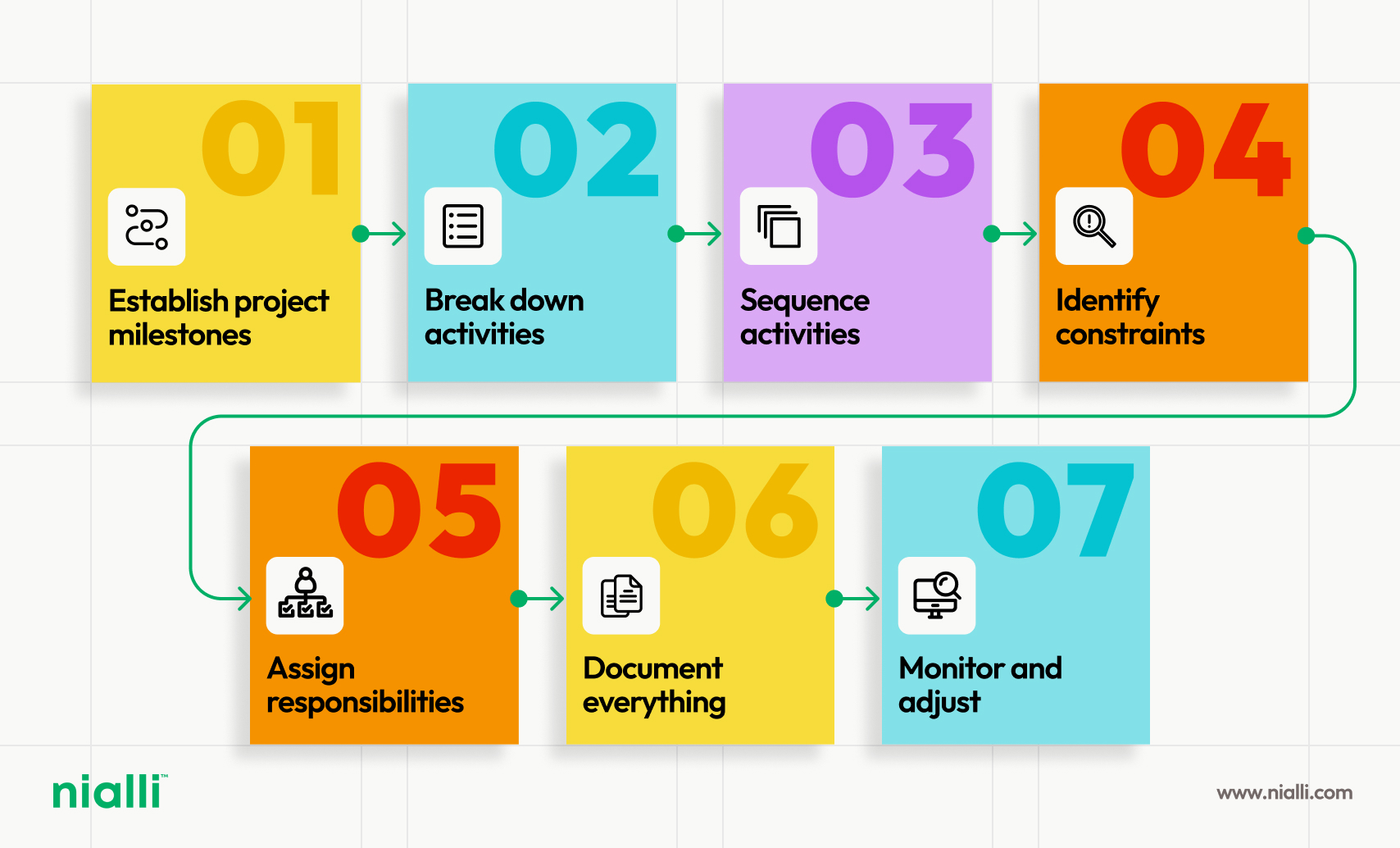
Pull planning flips traditional construction scheduling by bringing trade leads together to build sequences backward from key project...
.png)
Surging AI demand has led to an increased volume in data center construction projects, presenting risks around long-lead MEP equipment sourcing,...

Learn how to scale construction technology by building a field-first culture. Find practical ways to get buy-in, improve workflows and lead digital...

The true power of Lean construction lies in its people. Find out how respect, empathy and intentional culture building can transform project outcomes.

Planning isn’t just about blueprints and schedules — it’s about rolling with the punches and finding humor in the chaos. Here are 15 sayings of...