
Global perspectives on Lean construction planning
Collaborative, Lean‑based construction planning practices — such as the Last Planner System®, collaborative planning, Lean planning, pull...

|
High jobsite stress compromises safety, drives costly rework, and worsens construction labor shortages. To build resilient, high-performing jobsites, superintendents can mitigate burnout by optimizing resource planning, adopting visual collaboration tools and fostering a supportive team culture. Prioritizing worker well-being through proactive stress management programs not only protects project budgets and deadlines, but also builds a healthier, more sustainable future for the construction industry. |
Having spent a good portion of my career in the construction industry, I can say hands down it’s one of the most stressful work environments out there. Especially being in a site trailer. Over the years, I’ve witnessed heated conversations triggered by miscommunication, door slamming from frustrated trades and even contractors quitting a project due to stress levels.
I’m sure many of you can relate. Regardless of whether you’re working on-site or in the office, the construction industry is filled with constant pressure to deliver projects on time and within budget. For some of you, depending on where you work within the business, there’s also the management of site resources, logistics, health and safety, and not to mention all the stakeholders.
Industry professionals experience physically demanding and potentially dangerous situations that can contribute to higher levels of stress and strain on their relationships. The working hours can be long and schedules unpredictable.
Let’s take a closer look at how stress can affect your jobsites.
It is a known fact that stress can lead to various health problems. This includes employees experiencing fatigue and decreased focus. It can potentially compromise the safety of the entire project site.
Stress can trigger team members to make mistakes, miss deadlines and produce lower levels of quality in their work. This can have a direct impact on your project budget. Often in these situations, there’s costly rework involved with delays caused by shortages of labor.
With current industry labor gaps, it’s getting harder to recruit people. The last thing your team needs is for your company or project to be labeled as a stressful work environment.

The important question is, how can your site support efforts in trying to minimize and mitigate stress? In my previous roles, having worked alongside site superintendents, I found the strategies they implemented at a site level helped to decrease the levels of stress among their teams.
Here are four key strategies I observed site supers implementing when managing their team members.
Securing adequate staffing for each project is critical to prevent current team members from being overworked and exhausted. Identifying future resource constraints supports more efficient planning.
Utilizing visual collaboration tools like Nialli™ Visual Planner can enhance team communication and workflow visualization. This helps in identifying potential issues early, resolving project constraints and keeping everyone updated. It also helps to reduce stress caused by miscommunication and lack of information.
Creating a positive environment where team members feel valued and heard is a key pillar. It can be as simple as changing the verbal language used on-site. Other ways can include celebrating big and small wins together as a team through acts of kindness (it’s amazing what a positive email can do) or even having a fun team lunch.
Seeking help from your HR team is important, as they will likely have a program that can be adopted at a site level. This includes stress management tools and additional resources to help workers cope with the demands of a jobsite.
The biggest lesson I’ve learned is that addressing stress in the industry is not just about improving individual well-being. It also helps to support a project’s overall success and sustainability. By implementing these strategies, construction companies can create a more positive, productive and less stressful work environment. This leads to better project outcomes, improved employee satisfaction and, ultimately, a stronger and more resilient industry.
Remember, a healthy team is a productive team. So, construction leaders take note — let’s build supportive, stress-aware environments for the people who make our buildings and infrastructure possible. Let’s prioritize the human side of construction. We’re not just constructing buildings. But rather, we’re trying to build a better future for everyone in the industry.
Take jobsite stress with smarter visual planning. Experience how easy it is to import schedules, spot bottlenecks and keep everyone on the same page with Nialli Visual Planner.

Collaborative, Lean‑based construction planning practices — such as the Last Planner System®, collaborative planning, Lean planning, pull...
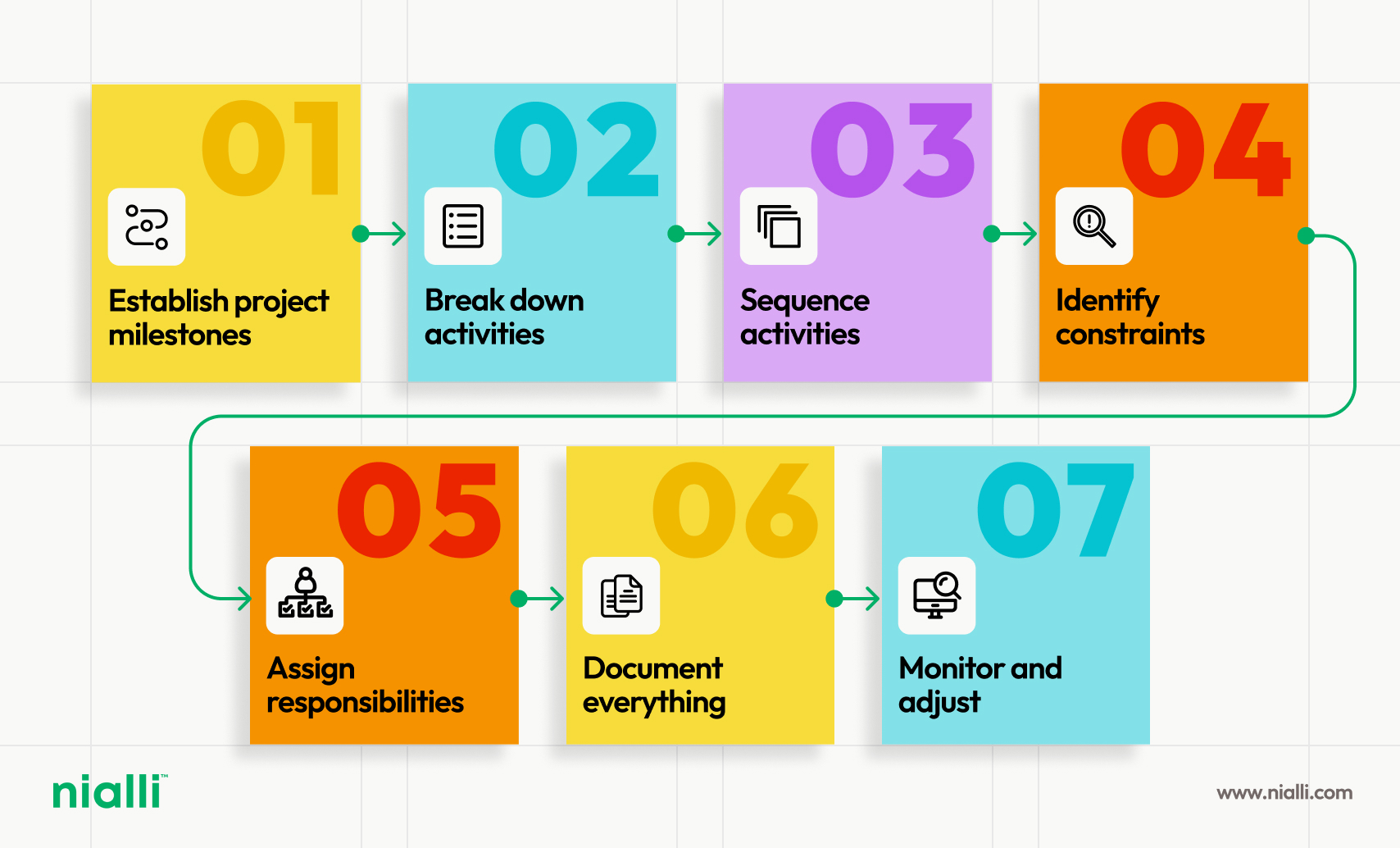
Pull planning flips traditional construction scheduling by bringing trade leads together to build sequences backward from key project...

Surging AI demand has led to an increased volume in data center construction projects, presenting risks around long-lead MEP equipment sourcing,...

Learn about five principles of childhood creativity that are essential for enhancing teamwork and collaboration in the construction industry.

The construction industry is undergoing digital transformation. Ensure your organization doesn’t get left behind with these 5 easy steps.

Construction teams are leaning into tech innovation to help them gain competitive advantage. Get tips to help your team navigate your technology...