
 Laura Avery
Pull planning in construction: How to build a schedule that holds
Pull planning flips traditional construction scheduling by bringing trade leads together to build sequences backward from key project...
|
Pull planning flips traditional construction scheduling by bringing trade leads together to build sequences backward from key project milestones. By focusing on mutual commitments, early constraint identification and handoff alignment, field teams create schedules they actually trust and own. Tracking plan reliability through Percent Plan Complete (PPC) and transitioning from paper sticky notes to digital tools like Nialli Visual Planner ensures real-time jobsite visibility and continuous project improvement. |
For most construction projects, the scheduling team will have built a master schedule well before anyone breaks ground. It’s a high-level plan, and crews on the jobsite are often just handed dates, with limited opportunities to provide feedback on whether they’re realistic. Pull planning by the site team flips that. Instead of simply inheriting the master schedule’s dates, a pull planning session brings every trade into the same room to operationalize it. The people closest to the work build their own sequence, starting from the next milestone and working backward. The jobsite plan that comes out of it rarely mirrors the master schedule exactly, but the office scheduler can track the site plan against the master schedule to ensure there is no risk to the milestone.
Construction pull planning is effective because the people closest to the work have deep knowledge in their specific areas of expertise, which a scheduler will not likely have. Lean construction pull planning treats the schedule as a set of promises trade crews make to one another, not a document handed down from a project manager’s desk.
That difference is why pull planning works so well. Teams trust the schedule they built and hold themselves accountable to it.
Pull planning is a collaborative approach to project scheduling that starts with a milestone, representing a target completion date, and works backward — task by task, until it reaches the projected start date.
It’s a technique that involves the trades doing the work building the schedule rather than it being assigned to them. Instead of asking “what happens next?” the group asks “what has to happen before I start my work?” tracing the path from the milestone to the current day.
Pull planning is one of the core principles within the Last Planner System® , a Lean construction planning framework designed to improve coordination, commitment and the reliability of project plans.
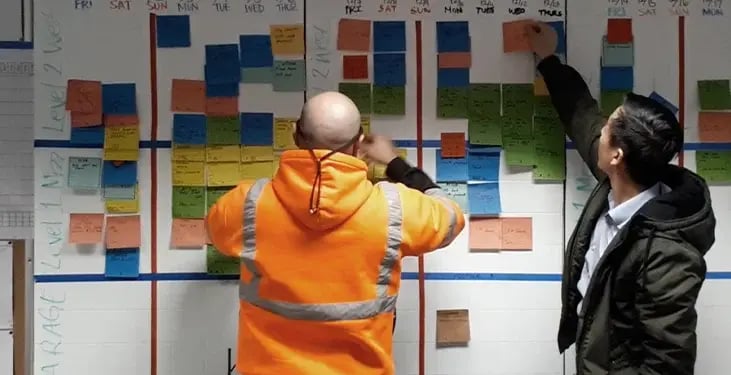
Every session starts with the end milestone of a specific project phase, typically covering a 6- to 12-week window, and works back from there. The group asks what has to be completed right before the milestone, then what has to be completed before that, continuing until the sequence reaches the start date of the phase.
At least one representative from each trade should be involved, but simply having everyone in the room isn’t enough. Effective pull planning also depends on psychological safety so team members feel comfortable asking questions, raising concerns and being upfront about constraints or potential issues. That openness helps the group build a plan everyone can realistically commit to and results in a shared objective and commitment.
Every task in the plan is a commitment made by each trade’s representative, creating a sense of ownership and accountability for committed delivery dates. This creates far greater plan reliability than when dates are handed down from the schedulers.
Over time, teams that implement collaborative and pull planning early on a project will see benefits from incremental improvements at each phase. Data captured as a by-product of planning and execution will provide insights to improve team performance.
Pull planning sessions work best when the right people are in the room.
That typically means the general contractor’s superintendent, leads from each trade involved in the phase, project managers and often a safety supervisor who can flag any safety concerns. Designers and owners’ representatives join for phases where their input can impact the sequence.
All active trades on a project phase must be in the planning session. This is when promises and key decisions are made.
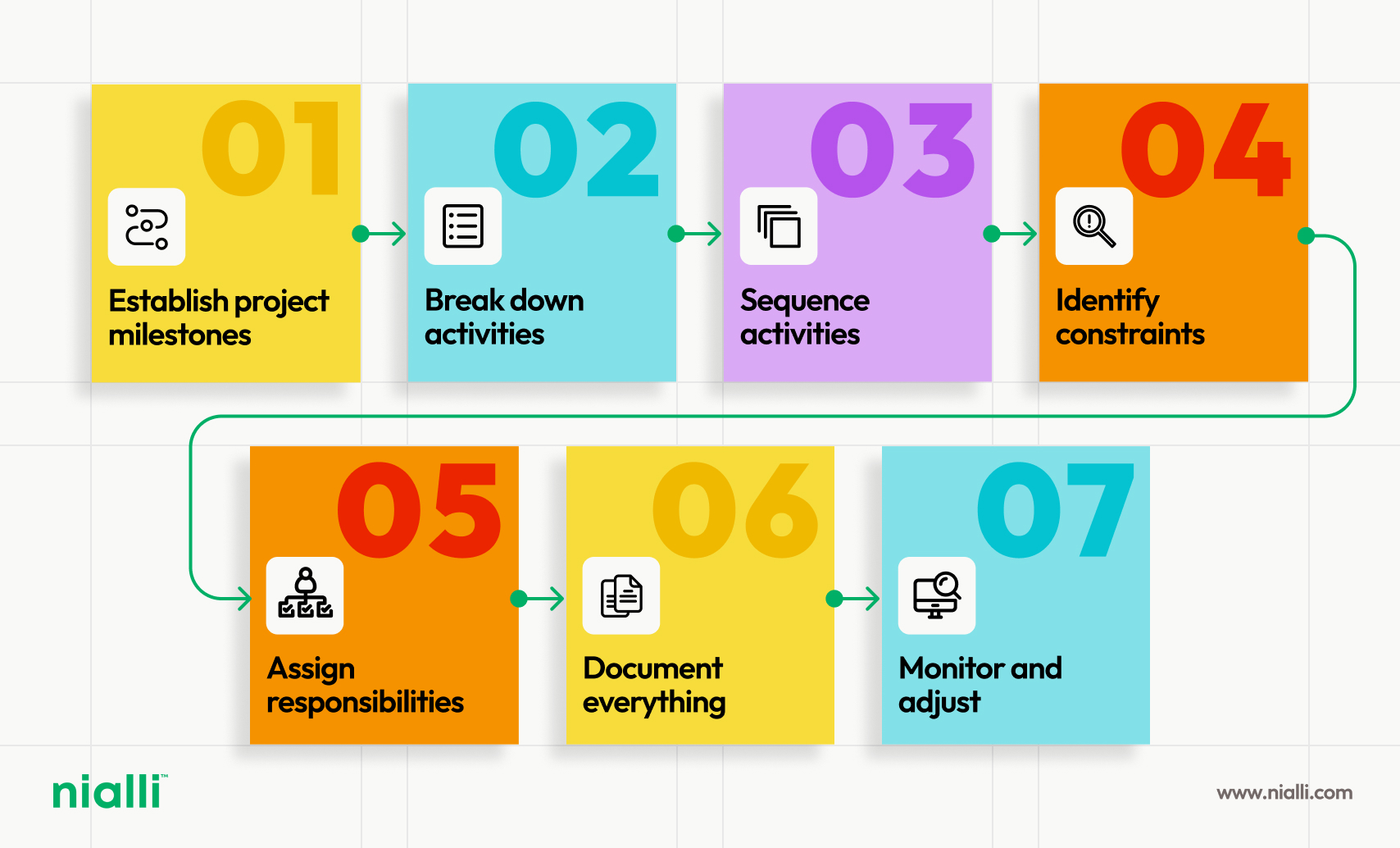
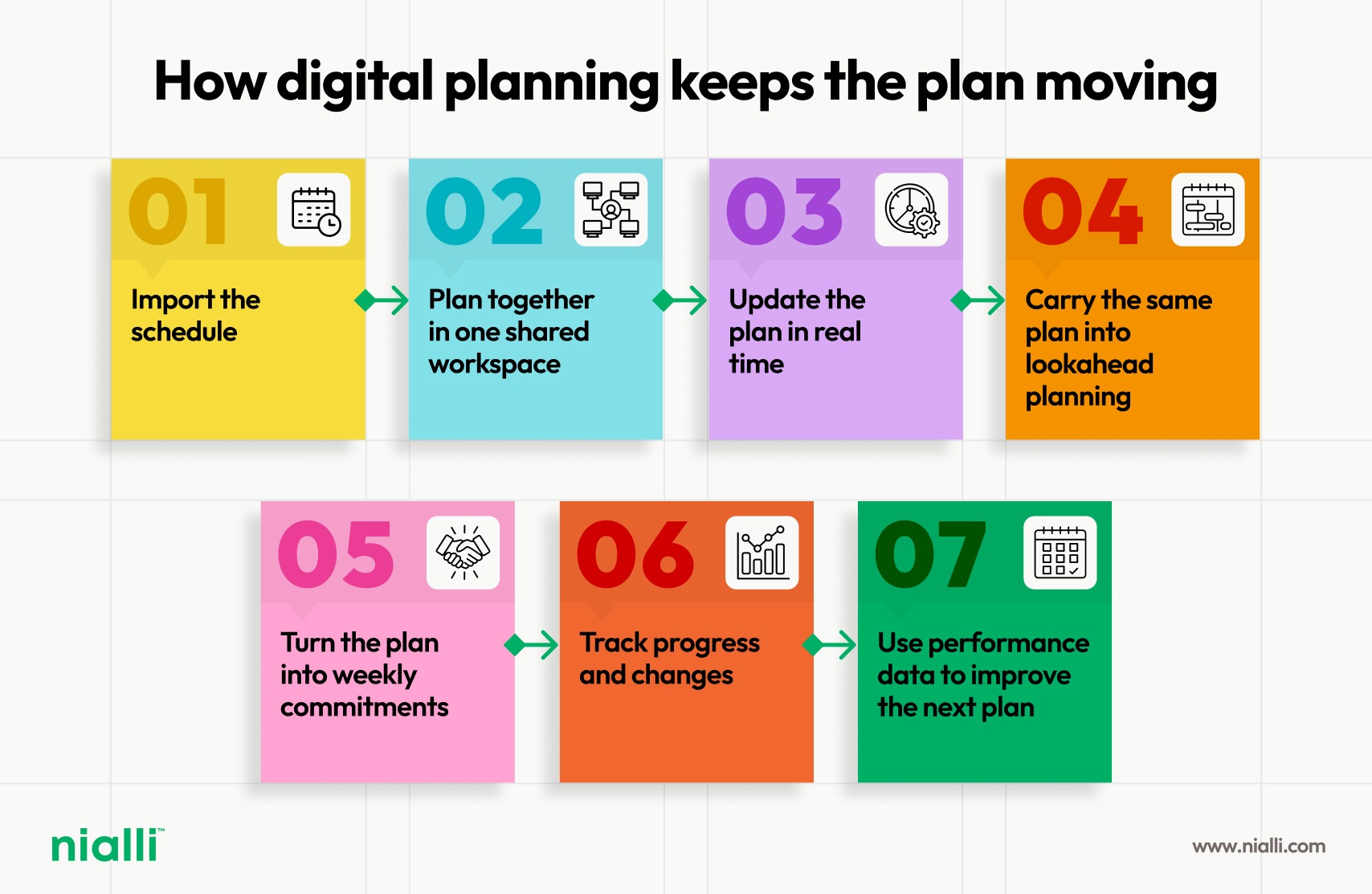
A successful pull planning session usually follows the same seven steps, whether they are mapped on a wall of sticky notes or built into planning software.
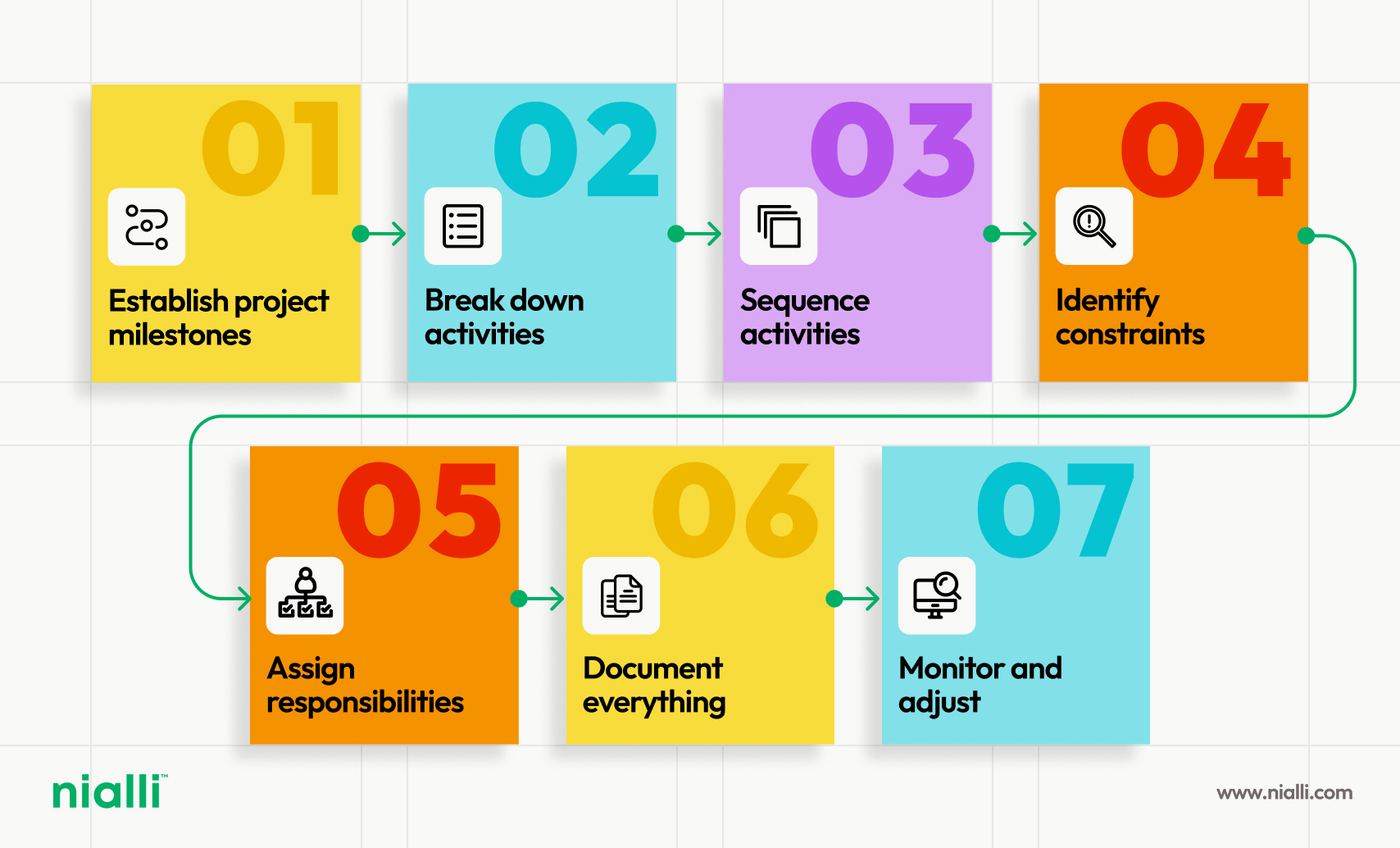
The group starts with the fixed points, like contractual and target completion dates, which are pulled from the master schedule. Activities are then sequenced in reverse order from the milestone, starting from the last activity required to complete the milestone. Each time, the question is asked: What do I need before I can start? The answer to this determines the predecessor activity.
Each trade breaks its portion of the work into the specific activities required to hit the milestone, organizing tasks at a level of detail that makes sense to the crew — not a single line item covering many weeks of work.
Working backward from the milestone, the group places each activity on the timeline in the sequence it must occur, identifying tasks that depend on another trade finishing first and those that can run in parallel.
The team flags anything that could delay work from being started, such as an unapproved permit, material that hasn’t shipped or a pending design decision. Identifying constraints early, defining who is responsible to resolve them and tracking progress are essential to prevent delays.
Each trade leader will make promises to deliver based on direct discussion with other affected trades. This naturally creates a sense of ownership and teamwork that is absent when activities and dates are assigned.
All activities, commitments and barriers are captured either in analog sticky-note form or in digital form. In digital form, data can be captured and connected at every stage of the process, opening up new insights for ongoing analysis and improvement.
Once the weekly planning session ends, the team’s focus shifts to weekly progress and comparing what was promised to what was actually delivered.
Assessing the team’s progress in a phase of work against the original master milestone (and the tasks necessary to get there) provides valuable insight for subsequent phases and future projects.
For example, if we notice a project is falling behind schedule and a trade is consistently missing commitments due to labor shortages, the team should focus on the root cause of the issue and address it. Perhaps the issue is due to an overcommitment of resources.
Picture a hospital wing 3 weeks away from a drywall milestone. The framing, electrical and mechanical leads work backward from that date. Mechanical rough-in must finish 2 days before electrical closes out its section, which must finish a day before framing signs off. The group catches that a permit inspection needs to happen between framing and electrical — something the master schedule never accounted for — and adjusts the sequence before the deadline is missed. That adjustment is worth carrying forward: Planners who build the next master schedule should add a permit inspection window as a standing line item.
Pull planning is the piece of the Last Planner System that turns a project’s fixed milestones into an actual buildable sequence.
The system runs in layers:
The master schedule sets the milestones from the contract, usually at the start of the project or a major phase.
Pull planning takes the next milestone, typically 6 to 12 weeks out, and brings all trades together to sequence the activities from the milestone back, starting with the final activity before the milestone (e.g., inspection).
That phase plan is a high-level view of the phase, which in turn feeds a lookahead schedule (typically 6 weeks), where the group increases the granularity of the activities and handoffs.
The next two weeks’ activities are often referred to as the make-ready schedule — any constraints are identified and resolved so there are no remaining barriers to work to be done as planned.
At this stage, the 2-week schedule becomes the plan that has been agreed to by the entire team. This creates a sense of joint ownership and facilitates a collaborative mindset. Percent Plan Complete (PPC) measures plan reliability — how many of those commitments actually get kept.
Each layer depends on the one before it. A phase plan built without input from the team through a pull planning session, and simply by accepting the master schedule as the plan, will inevitably result in execution failure, rework and project delays. Pull planning considers the master schedule, and particularly master milestones, but generates a plan that the team agrees is buildable. This feeds the lookahead schedule and enables team commitment to timelines.
For the full breakdown of all the stages and how they connect, see Nialli’s Last Planner System guide.
When crews build the sequence together, handoffs are planned rather than discovered. A pull planning meeting identifies the exact moment one crew’s task has to be finished by before the next one can start. Discussion about sequencing can also identify opportunities for concurrent work, which can create opportunities to expedite the schedule. Poor handoffs are often a major cause of delayed projects.
Trade and crew leads know what it takes to complete a task. Putting that knowledge into the schedule, instead of estimating it from a desk, gives project stakeholders a better understanding of what’s realistic before the work starts.
A firm commitment when the team is together in the planning session carries more weight than when a completion date is assigned without consultation. Contributing to the development of the plan and participating in the collective agreement to deliver creates buy-in from each team member.
Focusing on key milestones instead of one long, abstract schedule, the team can see problems in advance and make the necessary changes to ensure the project remains on schedule. Progress is visible and that gives the group natural checkpoints to catch problems early.
Constraint identification early in the process is critical to avoid surprises. An integral part of the pull planning process is a systematic review of potential barriers to completing work. Common categories of constraints that should be considered during the make-ready process include tools, equipment and labor.
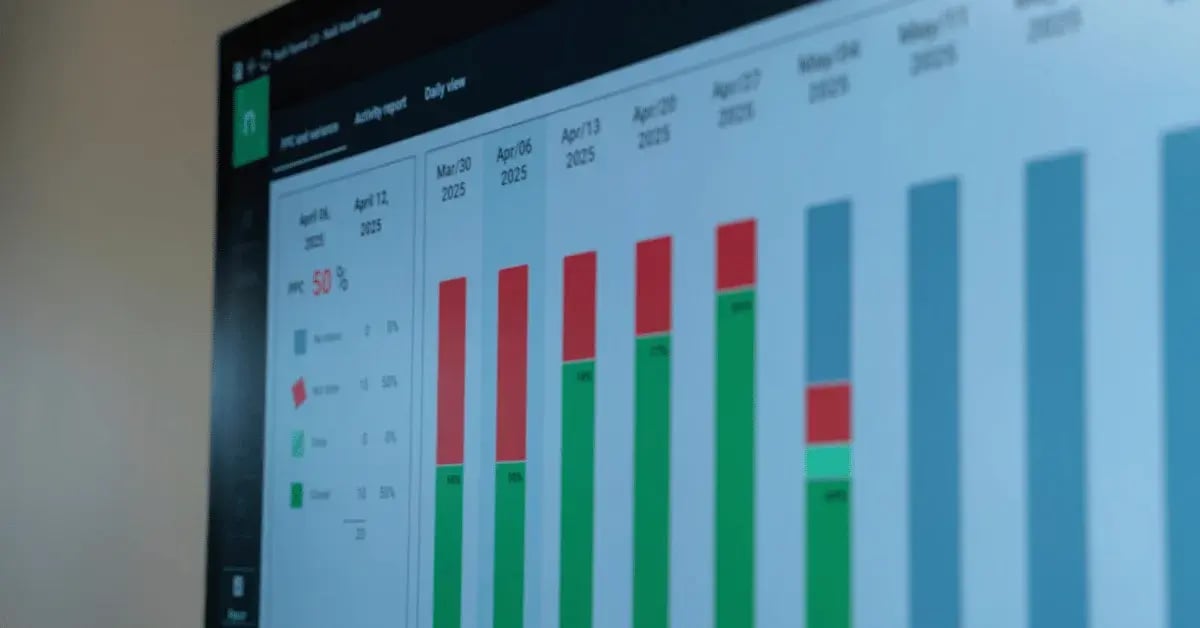
The standard measure of team performance is Percent Plan Complete (PPC). This is calculated by dividing the actual number of tasks a crew completed by the number of tasks it had promised to complete for the week. The total is then expressed as a percentage. It’s a binary, all-or-nothing count. A task that’s 90% done still counts as not done — making PPC a measure of how reliable a team’s commitments are and not how much work got done. Most teams review their PPC after reviewing the previous week’s activity statuses during the weekly planning meeting. For any work not completed as planned, the activity is statused as “not done” and a reason is required. These are called reasons for variance.
Examples include:
Labor constraint
Weather
Material constraint
Design change
Preceding task not complete
Reasons for variance are critical for developing strategies to improve. If material deliveries are a consistently delayed, the team needs to make changes to address the problem.
PPC will rarely reach 100%, as there are many factors that can get in the way of work getting done. However, understanding the causes and taking appropriate action can help teams improve performance.
There is an important principle to consider with the PPC metric. If PPC is consistently at 100%, it is likely the team is simply moving incomplete activities forward. PPC will only be accurate if the tag for an incomplete task is statused as “not done” and the reason why is applied.
Real pull planning progress will become evident after two or three sessions, when the team starts to build trust in the system as well as among one another.
.webp?width=1200&height=628&name=Pull%20planning%20guide%20blog%20images%20-%202026%20(4).webp)
Across the construction industry, the move from paper to software is increasingly treated as inevitable and not optional. Pull planning started on a wall covered in sticky notes, with one per task, arranged and rearranged by hand until the sequence made sense to everyone in the room. Some teams still use paper sticky notes today.
The limitations of this analog process begin to show up after the meeting ends. A wall of sticky notes lives in a single room on one jobsite. Capturing an image of the plan with your phone camera is, by definition, a point in time.
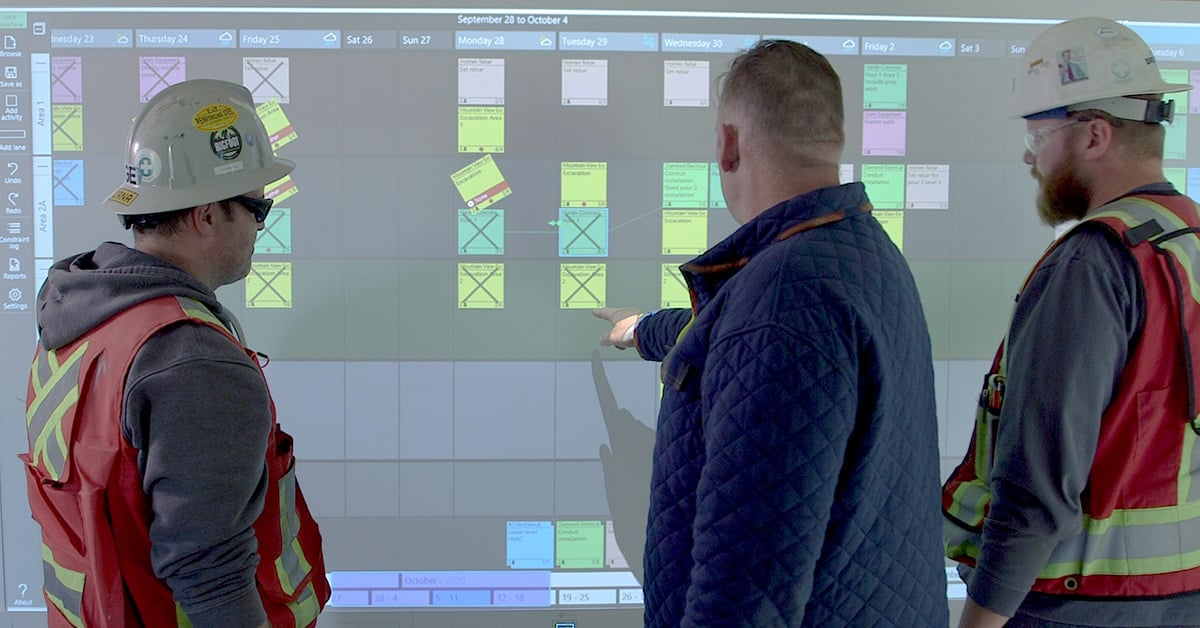
Digital pull planning solves this by storing the plan digitally and enabling anyone who is part of the plan to view it anytime from any device. And it’s live. Anyone can look at their daily activities, work location and even predecessor task statuses on their smartphone.
For anyone juggling more than one active phase or project, all of their plans can be accessed from their phone.
Integral to the design of Nialli™ Visual Planner are the principles of the Last Planner System, but this digital tool has been built to adapt to how different teams approach the system.
Trade crews and other project team members build the plan together in much the same way they would using analog sticky notes on a planning wall. The familiar sticky-note metaphor is used to ensure rapid trade adoption, especially for those who are already familiar with the sticky-note process. Transitioning from paper to digital enables automatic PPC and variance tracking, live lookahead schedules and a shared plan visible across every device on the jobsite, instead of a wall in the trailer being the only way to view the plan. Digital also enables background data capture for more robust reporting and analytics, providing new insights and opportunities for improvement.
Very limited training is required. Trades need to know a few things:
How to create an activity
How to move an activity
How to status an activity
Most jobsite users are productive within a few minutes of their first session. Sean Sachtleben, Preconstruction Manager and Lean Practice Leader at Austin Commercial, put it simply: “People get out of their chairs. They gather around the board. It encourages conversations rather than hiding behind laptops.”
Start a free 30-day trial of Nialli Visual Planner and run your next pull planning session. Keep every trade aligned on the same project goals from the first session to the last.
Most other scheduling methods, often called push planning or the critical path method, schedule tasks forward from today based on estimated task durations, typically using a tool such as a Gantt chart, to calculate the earliest possible finish date. Pull planning works in the other direction. It starts from the milestone finish date and works backward, with the trades deciding the best sequence of tasks, determining task duration and overall scope of the project phase. Many construction projects use a critical-path master schedule for the overall timeline and pull planning to work out the details collaboratively, phase by phase.
A pull planning meeting brings the general contractor , trade crew leaders and project managers into a room with a target milestone for a project phase. Starting with the milestone, activities are sequenced backward, starting with the last activity before the milestone is complete and then identifying predecessor tasks by asking the question: “What do I need for me to start this task?” This process continues until the first activity is identified. Adjustments are then made to optimize the plan, including identifying opportunities for concurrent work and constraints on tasks. A successful pull planning session ends with every responsible party agreeing to their committed dates and the overall plan.
One of the challenges with a sticky-note planning wall is that the only way to access the plan is to be in the room or use captured images of the plan. Digital tools enable teams to access the live plan from anywhere on any device. This may include larger sites with multiple planning rooms or operatives at the worksite on their smartphones. Information is readily available when needed. Digital tools also capture data as the project evolves, providing timely insights and reporting.
In practice, most construction teams use the two terms interchangeably. However, the term schedule generally refers to the master schedule. The term pull refers to the process of a plan being built backward from the milestone, while pull planning refers to the collaborative process that produces it.
On most construction projects, the general contractor’s superintendent or project manager runs the session, since they own the milestone the group is planning toward. On projects running a formal Last Planner System deployment, a dedicated Last Planner facilitator or Lean specialist may be engaged to lead the meeting, especially when the team lacks experience with the Last Planner System.
A single pull planning session usually runs for 1 to 3 hours, depending on how many trades are involved and the complexity of the phase. Most teams hold a full session at the start of each major phase, such as foundations, structure, MEP rough-in and finishes, and then run shorter weekly plans in between to keep the lookahead schedule current as the work unfolds.
Pull planning flips traditional construction scheduling by bringing trade leads together to build sequences backward from key project...
.png)
Surging AI demand has led to an increased volume in data center construction projects, presenting risks around long-lead MEP equipment sourcing,...
Big Room planning brings multidisciplinary construction teams together to align schedules, identify constraints and map dependencies...
.jpg)
Discover how PC Construction is accelerating Lean construction adoption and improving trade participation using Nialli Visual Planner for digital...
By improving efficiency through pull planning and the Last Planner System®, construction firms can make the most of their available workforce.
When timelines are tight and staying on budget is crucial, pull planning keeps projects on track. Here’s how it can help your construction teams.