
From jobsite data to enterprise insight
True enterprise visibility relies on the accuracy of frontline jobsite planning. When general contractors capture structured daily commitments...

|
True enterprise visibility relies on the accuracy of frontline jobsite planning. When general contractors capture structured daily commitments and actively resolve constraints in the field, they bridge the gap between executive strategy and jobsite reality — improving efficiency, resource allocation and overall ROI. |
Effective construction performance for an enterprise begins with consistent data captured at the jobsite. The reliability of daily and weekly work planning, the quality of trade coordination and the ability to remove constraints before they disrupt production will directly affect schedules, resource efficiency and project outcomes.
Recent industry research shows why planning reliability matters. A 2025 report from Dodge Construction Network and the Lean Construction Institute noted that 61% of owners reported schedule delays on typical projects and 49% experienced budget overruns, while only 6% of respondents said they were deeply engaged in Lean practices. These findings point to a gap between simple awareness of Lean methods and their consistent implementation in the field.
Performance matters to both jobsite decision-makers and enterprise executives, but each will view it through a different lens. The on-site superintendent is concerned with the health of an individual project. Back-office leaders and executives need a consistent view across the enterprise. A useful performance system must support both perspectives without adding administrative burden to field teams.
The superintendent needs timely, actionable information to keep the current project on track. Key concerns include plan reliability, upcoming constraints, trade handoffs, reasons for missed commitments, labor coordination and the readiness of work. The value of performance data is immediate: It helps the superintendent lead daily conversations, intervene before issues escalate and improve the reliability of the next planning cycle.
Back-office leaders and executives need a broader, comparable view across projects. They are interested in trends in Percent Plan Complete, recurring variance and constraint categories, schedule risk, adoption of consistent planning practices and differences in performance among projects or regions. Their objective is not to manage daily field activity, but to identify systemic issues, direct support and resources, strengthen organizational learning and make better portfolio-level decisions.
The Last Planner System® provides a proven framework for connecting jobsite activity with performance outcomes. By engaging the people closest to the work in milestone planning, phase planning, lookahead planning, weekly work planning and daily coordination, project teams can create more reliable commitments and a clearer understanding of what must happen next.
The Lean Construction Institute notes that, in traditional design and construction projects, only about 54% of work planned for a given week is completed within the allotted schedule. Planning reliability, often measured through Percent Plan Complete (PPC), therefore serves as a practical leading indicator of project health rather than a lagging report after problems have already appeared.
Digital pull planning amplifies these benefits when it supports the way field teams already work. Effective tools preserve the simplicity and visual nature of sticky-note planning while adding shared visibility, mobile updates, remote participation and automatic data capture and reporting. When technology is intuitive enough for superintendents, leads and trade contractors to use it directly, adoption happens faster and planning becomes part of the daily rhythm rather than an administrative burden.
Effective jobsite adoption can turn digital planning into an enterprise capability. As teams plan, update and learn together, they create useful performance data as a natural by-product of the work. PPC, reasons for variance, constraint trends, completion patterns and coordination issues become visible across projects. Leaders can identify recurring blockers, strengthen proven approaches, compare performance trends and focus improvement efforts where they will have the greatest impact.
| Jobsite capability | Project-level impact | Enterprise-level impact |
|
Simple, visual planning for trades |
Higher engagement and faster adoption |
Consistent planning practices across projects |
|
Alignment to the Last Planner System |
More reliable commitments and clearer handoffs |
Scalable Lean operating model |
|
Constraint visibility and make-ready planning |
Fewer surprises before work starts |
Earlier risk detection across the portfolio |
|
Mobile and remote access |
More current statuses and better participation |
Improved transparency for distributed teams |
|
Automatic reporting and data export |
PPC, variance and performance learning |
Portfolio insight, benchmarking and continuous improvement |
The connection between planning, communication and productivity is also reflected in labor data. The 2023 FMI Labor Productivity Study estimated that U.S. contractors lose approximately $30 billion to $40 billion annually to labor inefficiencies and found that three of the top four internal factors affecting productivity relate to planning, communication and collaboration. This supports digital planning approaches that improve coordination while reducing the administrative load on project teams.
Enterprise improvement does not begin with a dashboard; it begins with reliable planning behavior at the jobsite. When digital pull planning is simple for trades, aligned with Lean construction principles and capable of capturing data through normal planning activity, it creates a scalable path from better jobsite coordination to stronger enterprise performance.
Capture better data from the jobsite while keeping planning simple and collaborative.
True enterprise visibility relies on the accuracy of frontline jobsite planning. When general contractors capture structured daily commitments...
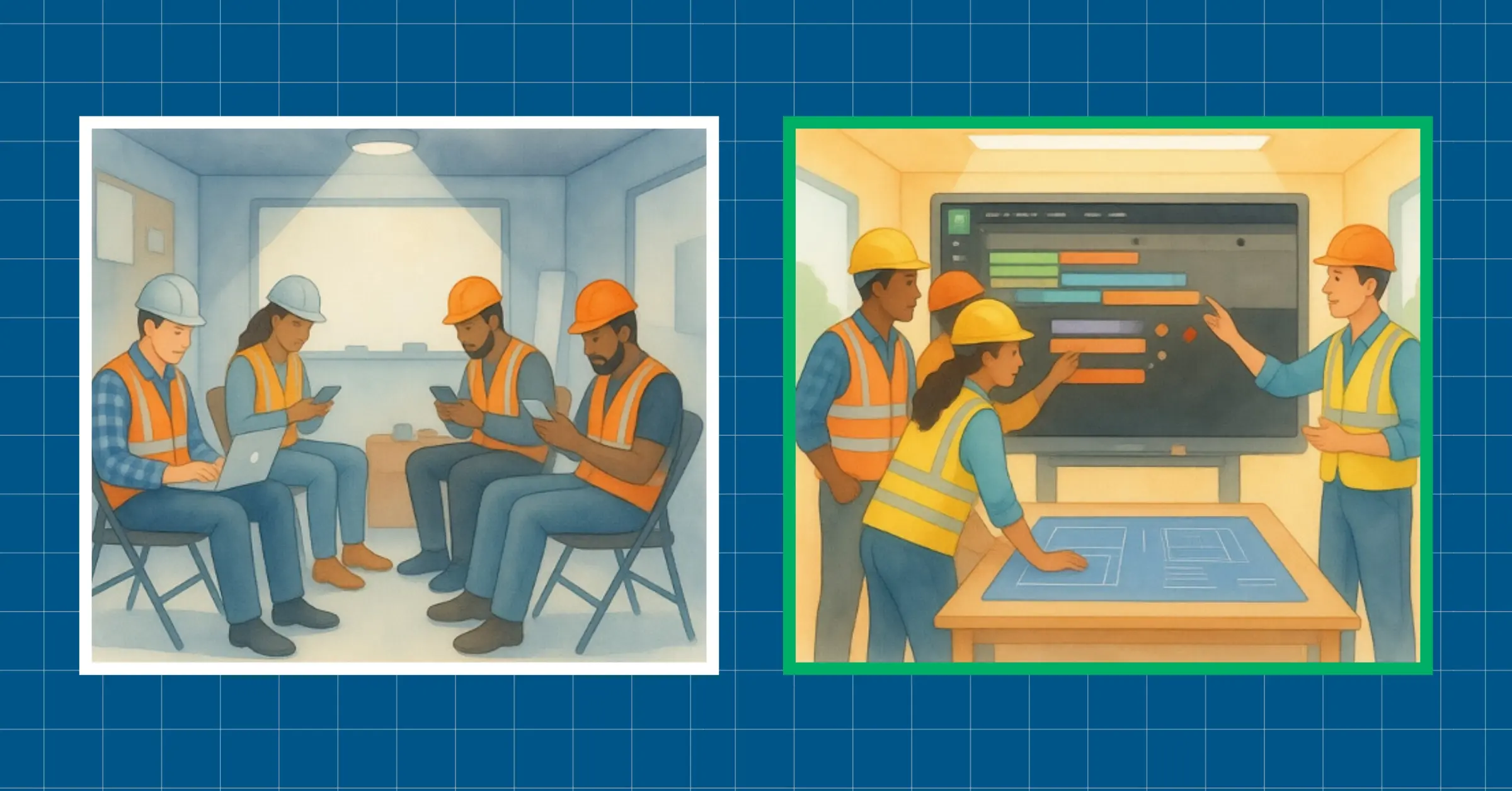
Many teams fear that replacing sticky notes with digital pull planning tools will kill trade engagement and collaboration on the jobsite. In...

Why should capital project owners prioritize collaborative construction planning? While traditional CPM schedules track milestone deadlines,...

Learn how Percent Plan Complete (PPC) drives efficiency, fosters collaboration and fuels continuous improvement in construction projects.
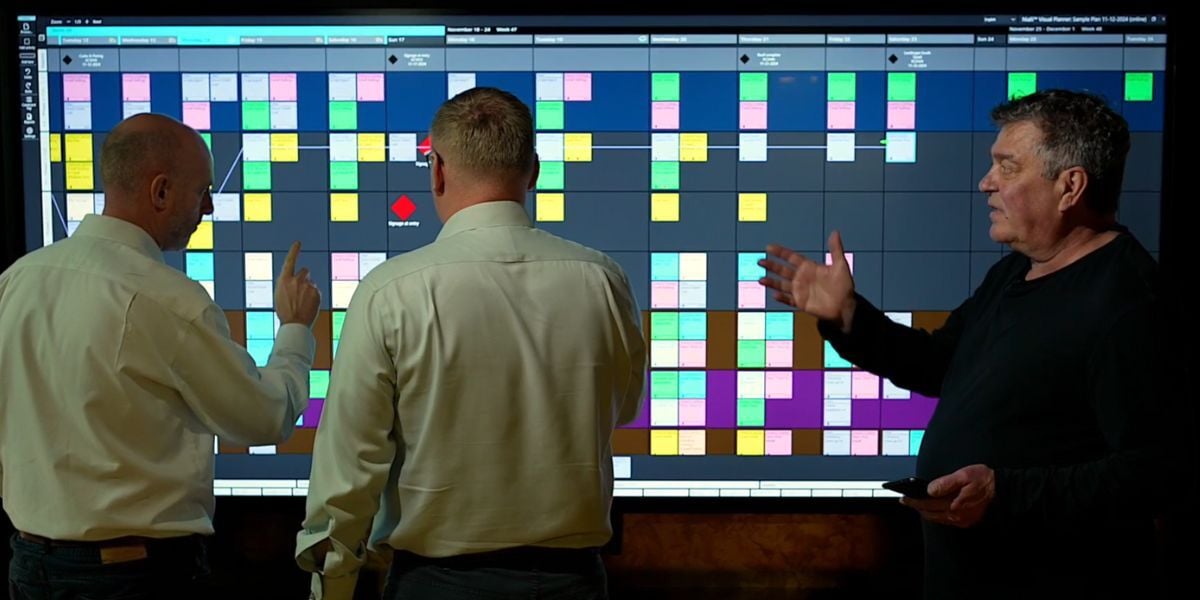
See how Nialli™ Visual Planner supports construction teams at every stage of the Last Planner System®, from milestone planning to root cause analysis.
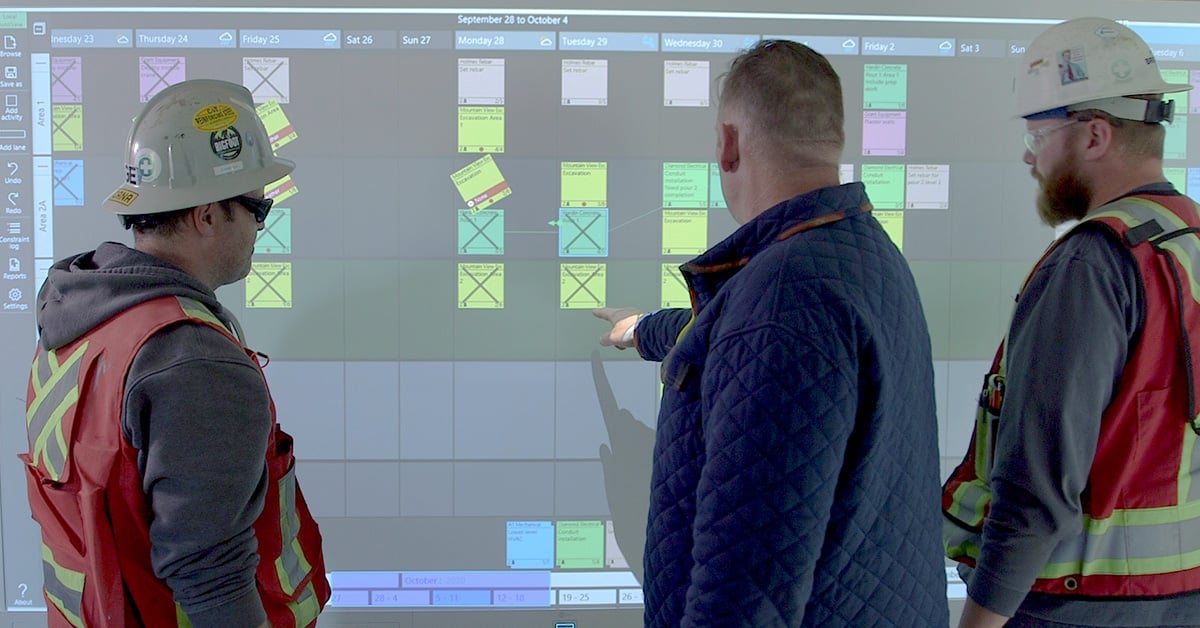
When timelines are tight and staying on budget is crucial, pull planning keeps projects on track. Here’s how it can help your construction teams.