
 Laura Avery
MWH Treatment’s Lean journey: Collaborative planning and a strategic relationship with Nialli
MWH Treatment (MWHT) is a leading provider of water and wastewater solutions across the UK. It brings together 200+ years of industry heritage and a...
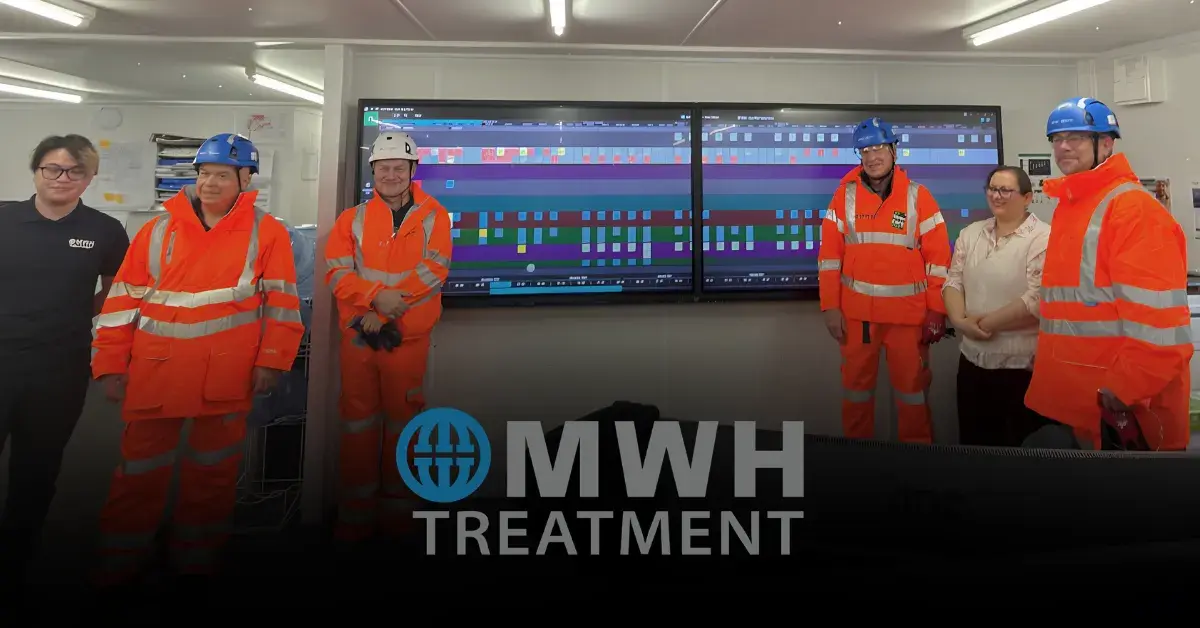
MWH Treatment (MWHT) is a leading provider of water and wastewater solutions across the UK. It brings together 200+ years of industry heritage and a team of 800+ process and engineering professionals. Working across 10 major frameworks, joint ventures and alliances, MWHT delivers integrated, end-to-end services, from major capital to ongoing asset management and maintenance.
Collaboration is central to MWHT’s design-and-build culture, combining technical expertise, innovation and digital delivery to address complex regulatory and operational challenges. Its values — Safe, Well & Sustainable; Trust, Integrity & Respect; and Connected & Innovative — underpin a commitment to high-quality, low-carbon solutions that create lasting value for clients, communities and the environment. The organization’s collaborative approach also shapes the adoption of Nialli Visual Planner, with MWHT and Nialli working together to develop a strategic working relationship focused on practical adoption, shared learning and measurable value, rather than a standalone software rollout.
Through its Stage 1 proof of concept (POC), MWHT has invested in 110 plans of Nialli Visual Planner across multiple water frameworks, including United Utilities, CMDP (Costain MWH Delivery Partnership), Severn Trent, Thames Water and Scottish Water, alongside hardware and software procurement. Central management endorsement and governance provide the foundation for this investment, while product champions support regional adoption on the ground, led by Sawsan Saadeh, MWHT Regional Digital Delivery Lead and Nelson Trinh, Assistant 4D Planner in the Severn Trent region. Their support connects the implementation with the practical needs of delivery teams, helping to ground the developing relationship between MWHT and Nialli in project experience.
Stage 1 establishes a controlled approach to implementing Nialli Visual Planner across MWHT’s hardware and software portfolio. All subscriptions are managed through a single central governance process, with plans allocated and configured consistently for each project. Using the Nialli Administration Portal, MWHT has aligned its enterprise system trade list to a central Nialli trade list applied to all subscriptions. Standard variance reasons are also applied across all subscriptions.
Percent Plan Complete (PPC) and constraint data are monitored for completeness and reliability, with reporting at the project, regional and business levels helping to identify recurring causes of delay. The Commercial team validates commercial benefits, and additional licenses are released only when demand, adoption and recovery are confirmed. This framework allows collaborative working with Nialli to remain aligned with MWHT’s operating requirements, while project learning and benefits evidence inform the scope and pace of Stage 2 investment.
Consistent variance categorization strengthens this approach. The categories established are aligned with subcontractor performance metrics captured in ActivSHEQ, MWHT’s internal reporting and data system, providing a common basis for recording and reporting the root causes of plan variance. These include MWHT Commercial, HSE, Time/Delivery and Quality Variances; equivalent Subcontractor Variances; Working Relationship issues; Client Dependencies; and Unforeseen Circumstances, such as adverse weather. Applied through central governance, these categories support uniform data capture and comparison of trends at the project, regional and business levels. They also strengthen PPC and constraint analysis and provide auditable information for subcontractor management, commercial validation and continuous improvement.
Benefits captured across projects to date indicate potential savings of £43,000 (US$56,000) through reduced meeting time, planner administration and travel, alongside productivity gains from replacing whiteboards and sticky notes with digital planning that supports daily updates.
MWHT is also seeing the following value in using Nialli Visual Planner:
Better visibility into project performance — Nialli Visual Planner provides visibility of PPC, weekly work plan completion, planned versus actual performance, activity and milestone progress and overdue milestones.
Constraint management — Tracking constraints as they are identified, cleared or remain unresolved, together with lookahead readiness, helps team prepare for upcoming work and understand what is preventing progress.
Trade-level analysis — Analyzing the impacts of delays by trade, which trades are affected most frequently and trends behind these variances helps identify recurring patterns of delivery issues.
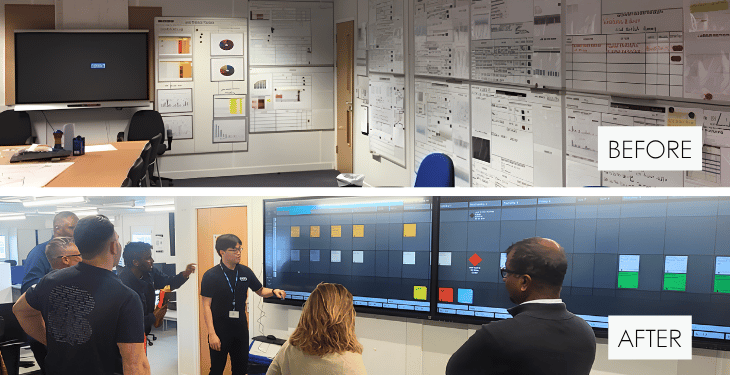
Together, these measures provide an overall view of project health and enable comparison across projects, frameworks and regions, creating a stronger evidence base for shared learning and continuous improvement within MWHT and its developing strategic relationship with Nialli.
"Nialli Visual Planner has been instrumental in encouraging collaborative planning and meaningful discussion across MWHT sites. It helps teams understand their commitments, recognize what has gone well and identify potential blockers before they affect delivery. By bringing everyone together around a clear, shared visual plan, it reduces ambiguity and supports informed decision-making." - Sawsan Saadeh, MWHT Regional Digital Delivery Lead
In practice, collaborative planning brings designers, delivery teams, the supply chain and the client together around one clear visual plan, with each party taking ownership of its commitments.
Collaborative planning drives better project delivery through:
Joint discussions — A shared session replaces multiple separate discussions, reducing meeting time and allowing for great focus on delivery.
Working backward from milestones — Teams build a plan backward from key milestones, using weekly or fortnightly sessions with a six-week lookahead, supported by daily site-level updates. This daily planning reduces the work needed for the weekly session.
Short-interval control — Progress is maintained when activities are marked as complete or incomplete at the end of each day, and the planner incorporates live board updates into the program.
Progress tracking and continuous improvement — PPC tracks weekly planned versus actual completion, and each missed activity receives a failure classification so teams can understand trends and improve without blame.
Early constraint management — Constraints are identified weeks ahead and mitigated where possible, with a named owner and target date for every “Protect the Plan” action. This ensures work starts only when it is ready to be completed.
The collaborative planning approach supports greater visibility of upcoming work, program stability, predictability and productivity, with opportunities for savings through program efficiencies.
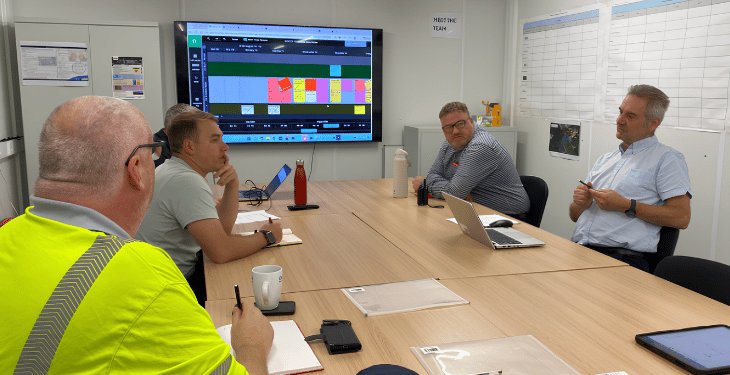
MWHT’s Lean journey shows how collaborative planning and digital adoption can bring teams together around a shared plan, make constraints visible and support more predictable delivery. Collaborative working between MWHT and Nialli is central to developing a strategic working relationship that connects the technology with delivery needs, consistent governance and measurable benefits. Stage 1 provides the foundation for this relationship, combining project-level learning with potential savings that remain subject to validation with the Commercial team.
Building on the success to date with delivery teams, MWHT sees opportunities to extend Nialli Visual Planner across its other frameworks and pursue a larger Stage 2 investment. The focus will remain on sharing lessons across regions, capturing demonstrable value and aligning further investment with confirmed demand, adoption and recovery.
Curious to learn more about the use of collaborative planning on civil projects? Check out our civil infrastructure page.
MWH Treatment (MWHT) is a leading provider of water and wastewater solutions across the UK. It brings together 200+ years of industry heritage and a...

True enterprise visibility relies on the accuracy of frontline jobsite planning. When general contractors capture structured daily commitments...

Many teams fear that replacing sticky notes with digital pull planning tools will kill trade engagement and collaboration on the jobsite. In...
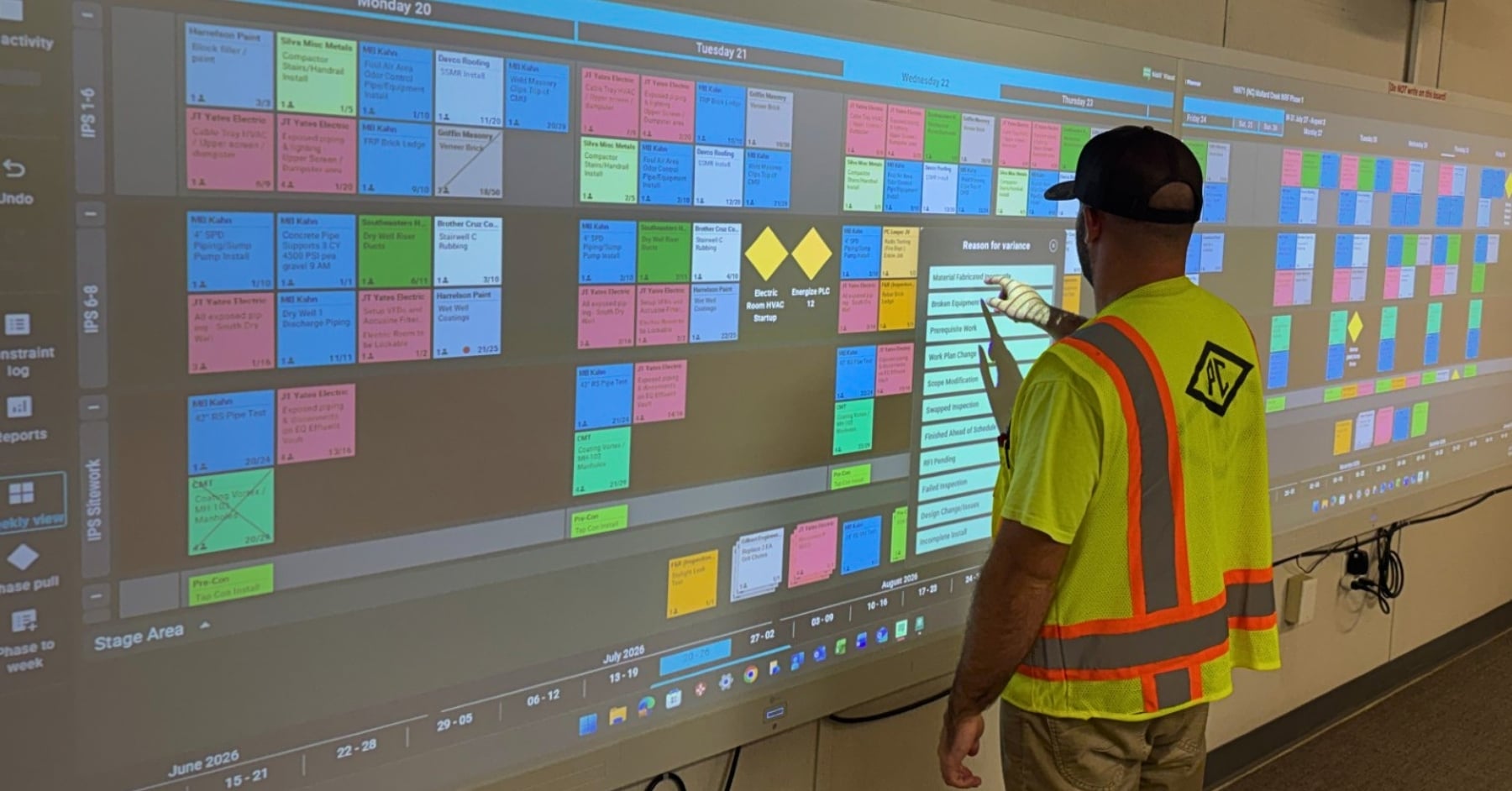
Discover how PC Construction is accelerating Lean construction adoption and improving trade participation using Nialli Visual Planner for digital...
Going from analog to digital with Nialli™ Visual Planner has transformed construction planning for Mace, with enhanced precision and greater...
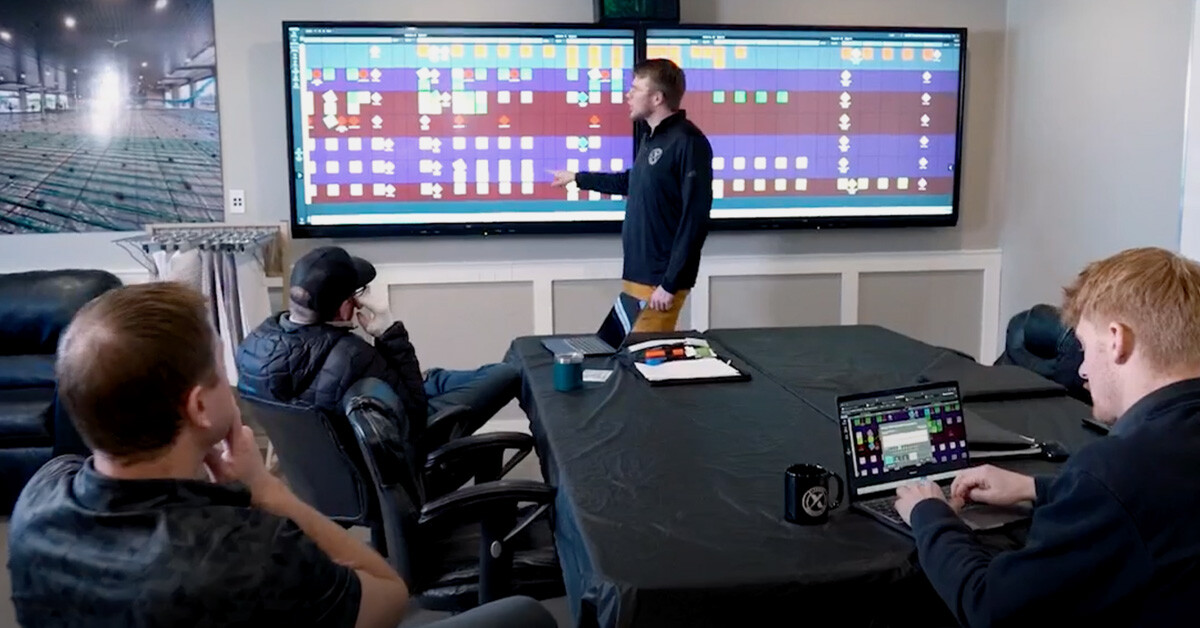
Extreme Concrete leaders describe Nialli Visual Planner's benefits, with better planning, less stress, improved communication and increased...